
How Adjustable Dumbbells Work: Plates, Dials and Locks
Training notes · updated October 25, 2026
An adjustable dumbbell is one handle that carries a changing number of plates. How those plates get on and off — and how they stay locked — is what separates one design from another. Here is how each mechanism we build works, and who it suits.
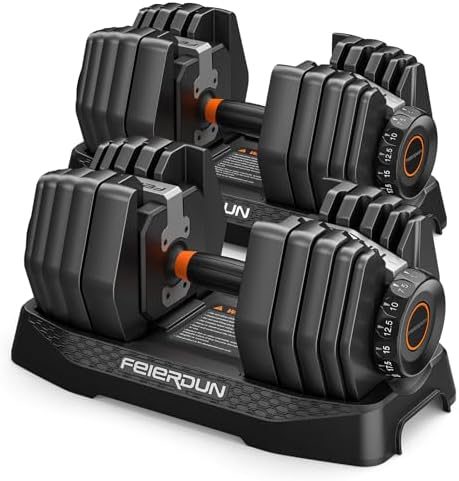
FEIERDUN DB1 QuickDial 15-in-1 Adjustable Dumbbells
FEIERDUN DB1 QuickDial adjustable dumbbells: 15 weights from 5 to 52.5 lb per hand, one-hand dial, storage base and carry strap.
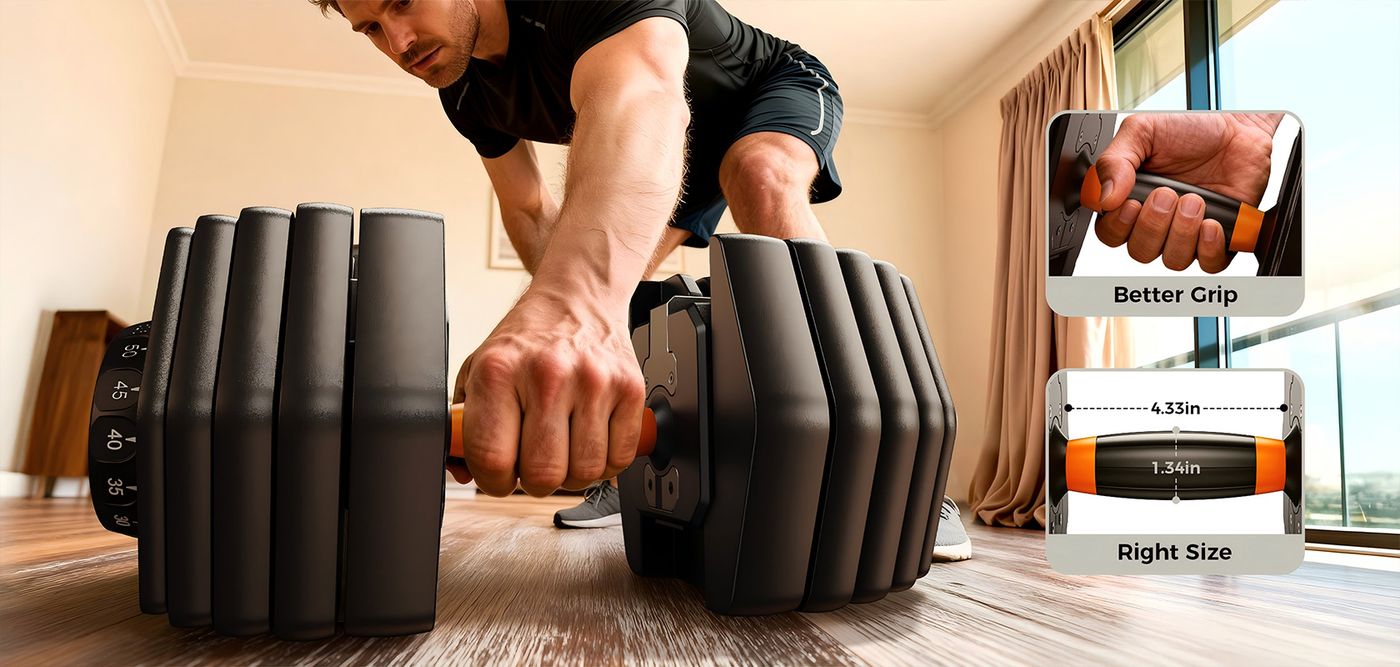
Plate-loaded dumbbells with threaded collars
The oldest design is a threaded handle, loose plates and a collar that spins on to lock them. Our DS2 sets use exactly this, with multi-turn knobs that clamp the iron-sand plates tight. To change weight, spin the knob off, add or remove plates and spin it back. It takes about a minute, but the same parts also build a barbell with the foam connector, a kettlebell and a push-up stand.
Twist-lock hand weights
Light hand weights like our DB3 use stacked plates that rotate 45° to lock. Turn to the number you want and the dumbbell holds only those plates, with a second lock to stop them shifting. This is the fastest way to move between 2 and 10 pounds in a toning or Pilates class.
Dial and selectable dumbbells
Dial dumbbells sit in a base or stand. Turn the dial on the handle and the mechanism engages the plates you selected; lift, and the rest stay in the cradle. Our DB1 QuickDial moves through 15 settings from 5 to 52.5 lb with an audible click, and the FDB pair goes to 55 lb per hand. Plates release only in the base and lock automatically when lifted.
How to use adjustable dumbbells safely
- Check that collars, knobs or dials are fully locked before every set.
- Set dial dumbbells back in their base — do not drop them on the floor.
- Load both dumbbells to the same weight for presses and rows.
- Keep threads and dials free of grit and sweat; wipe them down after training.
Weight increments: why small steps matter
Weight increments are the jumps between settings on an adjustable dumbbell set. On a big lift like a dumbbell row, going from 40 to 45 pounds is easy to absorb. On a lateral raise, a jump from 10 to 15 pounds is 50% more weight and usually means broken form. That is why the DB1 QuickDial uses 2.5 lb steps up to 25 pounds and 5 lb steps above it, and why the 10-setting FDB dial adds odd numbers like 26, 29 and 44 pounds. Any personal trainer will tell you the same thing: steady weight adjustments of a few pounds every week or two build more strength than big, irregular jumps.
Materials: steel, iron sand and cast iron
Inside every adjustable dumbbell is a handle, a set of plates and a locking part. Our dial dumbbells use an alloy steel core and steel plates in a durable plastic shell. The DS2 plates are iron sand molded inside polyethylene, which keeps them quiet and friendly to floors. Classic cast iron plates are thinner but can chip a floor and rattle on the handle. Whatever the material, the overall build should feel solid with no wobble when you shake the dumbbell — that is the first test we run, and the one you should run when the box arrives.
Grip and handle
A good grip is the part of a dumbbell you touch on every rep. Look for a knurled or textured handle that stays secure with sweaty hands, and a handle length that leaves room for a full grip without the plates pressing on your wrist. The FDB pair uses a 33 mm textured rubber handle, the DB3 hand weights a soft TPU grip with raised dots, and the DS2 a non-slip textured bar.
Adjustable dumbbells for beginners
Beginners often ask whether an adjustable dumbbell set is too complicated. It is not: after one or two workouts, changing the set weight becomes automatic. Start light, learn the movements — goblet squats, rows, presses, curls, lunges — and add weight as the last two reps start to feel easy. A 45 lb DS2 set or the DB1 pair will carry most beginners through their first year of weightlifting and general fitness training at home.
Heavy training and durability
If you lift heavy, choose a set whose top weight is comfortably above your strongest dumbbell exercise today. Heavy dial dumbbells are durable, but they last longest when you set them down instead of dropping them, keep them in the base between sets and keep the dial area clean. Our DS2 and DB1 dumbbells carry a 1095-day FEIERDUN Care+ warranty on the locking parts, and the FDB pair a one-year warranty.
Which mechanism is right for you?
Choose plate-loaded if you want the most functions for the budget, twist-lock if you train light and fast, and a dial if you do supersets and want the quickest weight change. All three adjustable dumbbells save the space of a full dumbbell rack, and every one of them turns a corner of the house into a gym where real strength gets built.
Two more sets worth a look
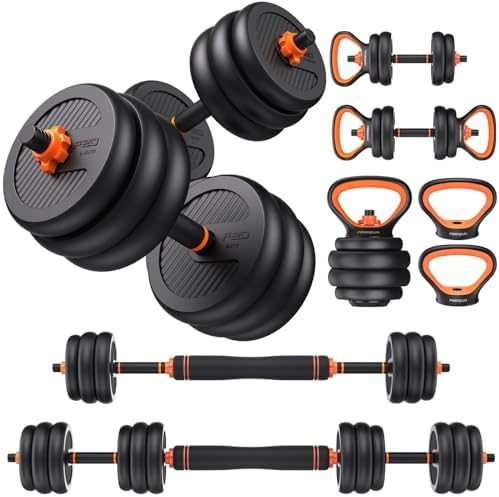
FEIERDUN DS2 5-in-1 Adjustable Dumbbell Set
FEIERDUN DS2 adjustable dumbbell set: dumbbells, barbell, kettlebell and push-up stand in one box, from a 20 lb starter to a 90 lb set.
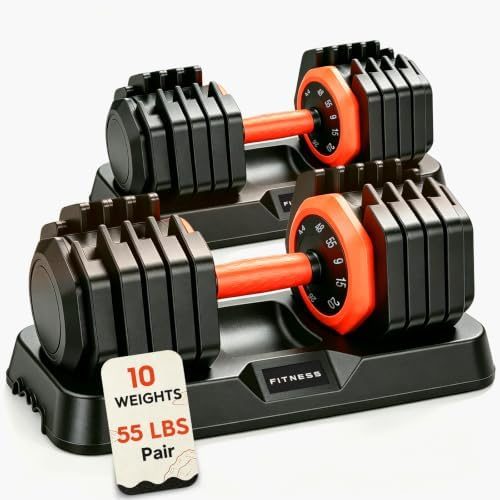
FEIERDUN FDB Quick-Change 55 lb Adjustable Dumbbells
FEIERDUN FDB quick-change adjustable dumbbells, 55 lb per hand: 10 settings (9–55 lb) or 5 settings (15–55 lb), dual-lock base.